Secure custodial crypto wallet and trading platform - COINBASE - Manage assets, stake tokens, and trade instantly.

Why I Trust (and Worry About) Phantom Wallet — A Browser Extension Deep Dive – Seva Connect | Seva Sayahog

Why I Trust (and Worry About) Phantom Wallet — A Browser Extension Deep Dive

Scroll

Whoa! This wallet feels slick. It loads fast, looks clean, and integrates with most Solana dApps I use. But my first impression hid a few things that only showed up after a week of real use and some late-night fiddling with settings. Honestly, it’s a lot like buying a new car — shiny at first, and then you notice the rattles when you hit a pothole on the freeway.

Seriously? The security model takes getting used to. There are clear benefits to a browser extension: speed, convenience, and direct dApp connections that feel seamless. On the other hand, extensions sit in your browser’s process space, and that changes the risk profile in a way most users don’t fully appreciate. Initially I thought convenience would outweigh the tradeoffs, but then I realized that one careless click or a malicious extension could compromise your session in ways mobile wallets generally don’t allow.

Hmm… my instinct said trust, cautiously. I tested Phantom on Chrome and Brave. The UI made approvals simple, sometimes almost too simple for my taste. Actually, wait—let me rephrase that: the approval dialogs are clear, but they sometimes nudge you toward approving without thinking, which bugs me. If you rush you can approve requests that are more permissive than you intend.

Here’s the thing. Phantom uses a resident key store and signs transactions locally, which is great for latency and UX. The architecture is pretty standard for modern browser wallets, with a background script, popup UI, and injected content scripts that let dApps prompt for signatures. But because it’s in-browser, you need to treat it like a small, always-on process that could be targeted by other extensions or by malicious web pages that find creative ways to phish approvals. So I keep my extension list short, and you should too — very very important.

Wow! Installation is two minutes flat. I grabbed the extension and clicked through the onboarding screens, setting up a new wallet and a password. The flow asks you to back up your seed phrase with clear warnings (which I appreciate), and it offers integrations for Ledger later on for added safety. On one hand it’s approachable for newcomers — though actually, the phrase backup step still trips people up, and I’ve seen friends screenshot their seeds (ugh) because the prompt felt urgent and they panicked.

Whoa! There are little UX wins everywhere. Auto-detecting Solana networks, token balances loading quick, and a native swap feature that hides some complexity. But some of the advanced options live in tiny menus, and if you’re not poking around you won’t find them. My approach was iterative: I used it casually for a few days, then dug into settings when somethin’ felt off, and then tightened permissions. That felt like the right rhythm for me.

Seriously? Performance was rarely an issue. Transactions confirmed quickly, and the extension handled multiple accounts without crashing. Yet when I had a stalled RPC endpoint (node issues), approvals would hang and my confidence dipped — that moment highlighted how much we rely on infrastructure outside of the extension. On the longer timeframe, dependency on third-party RPCs and dApp servers is the single biggest operational risk, and it deserves more attention from users and developers.

Hmm… about safety: don’t copy your seed into a cloud note. Ever. Phantom recommends hardware integration (Ledger) for larger holdings, and that’s practically mandatory for anything you can’t afford to lose. I’m biased, but if you plan to hold significant value, pair Phantom with a hardware device — the UX tradeoff is worth it. Also, enable auto-lock and set a strong password; that protects against casual local attacks or someone grabbing your laptop at a coffee shop.

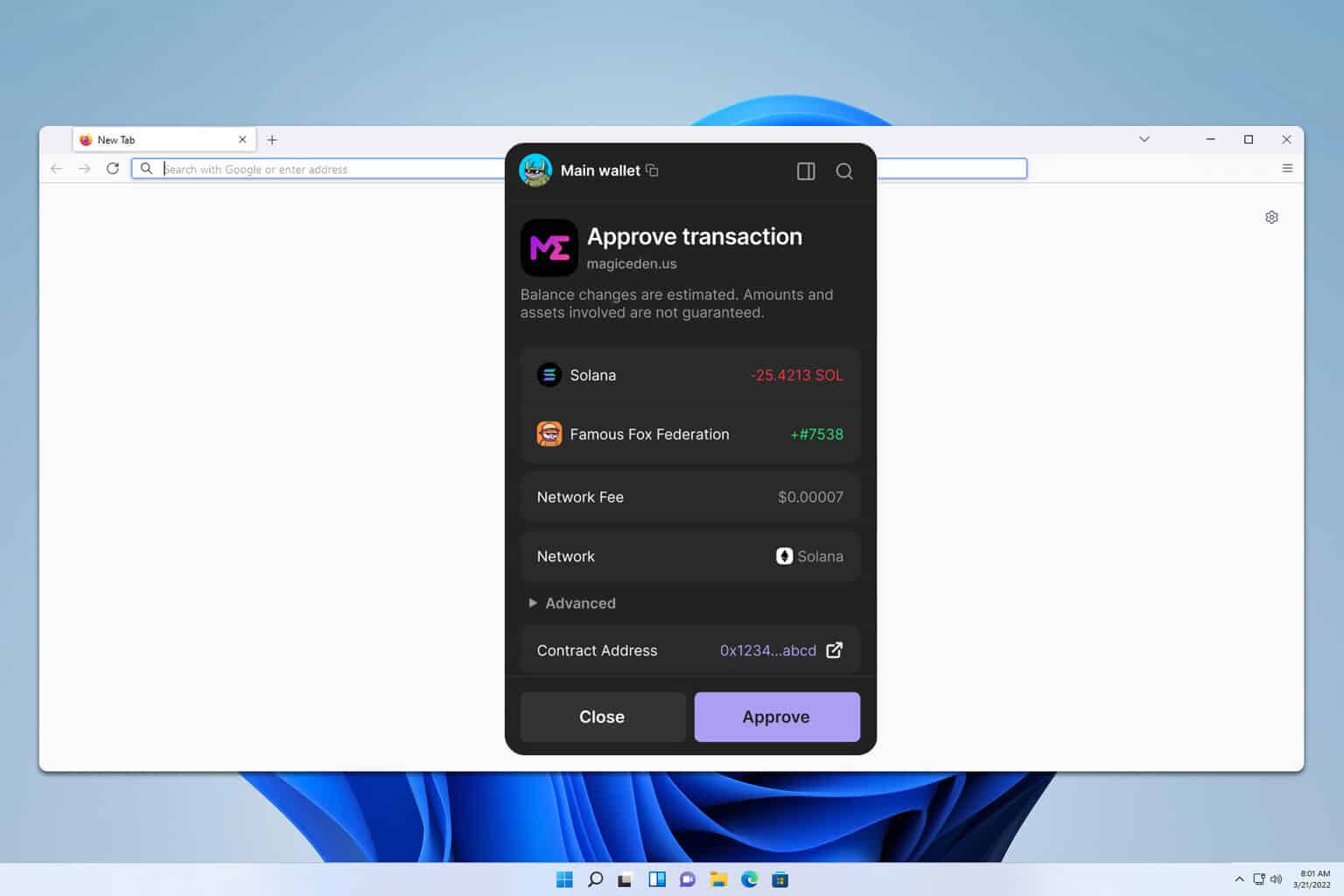
Here’s the thing. Phantom’s permissions model asks you to authorize sites to connect, and it scopes access by account. That reduces accidental exposure compared to full-browser accounts that leak everything, but it’s not perfect. I watched a contract approval request that, at a glance, asked to “Approve” and later realized it requested transfer approval for a token — subtle differences that matter greatly. So take your time with each approval, and double-check the requested actions when the transaction preview shows up.

Screenshot of Phantom extension UI showing wallet balance and transaction prompt

Where to get Phantom and how to think about downloads

If you want to try Phantom, grab it from a trusted source — start by visiting the official installer site over a secure connection, and verify the extension in your browser’s store. For a direct reference I used this page during my setup, which you can find here when you’re ready to add it (check the site address and store listing first). Remember, only one link above — and also, check for verified publisher badges in the extension store to avoid spoofed clones.

Whoa! The swap and NFT gallery are delightful features. They lower friction for beginners and create delightful moments of discovery when tokens or collections appear. But that delightful ease also creates a mental model where transactions feel low-stakes, which is dangerous — big approvals are still big approvals. So use those features for convenience, but treat large approvals like you would a bank wire.

Initially I thought Phantom was just another wallet, but it surprised me with thoughtful touches. Transaction memos, account labeling, and the address book made me want to keep my wallet organized. However, after a few weeks I also noticed some UI inconsistencies across dApps and occasional confirmation text that wasn’t as specific as I’d like. On the other hand, the team releases updates fairly often, which suggests active maintenance and responsiveness to user issues.

Hmm… long-term usability matters. For active traders and NFT collectors, the extension is a strong fit, because you want speed and direct dApp connectivity. For cold storage folks, it’s not the primary tool — it’s an interface to be used sparingly and paired with hardware. My workflow evolved: small daily interactions via Phantom, large transfers only via hardware Ledger and a separate machine when possible.

Wow! Community and ecosystem support are solid. There are clear docs, Discord channels, and a visible roadmap that help when you hit a snag. But support channels vary in response time and quality, and sometimes the answers are technical enough that novices feel left behind. I’d like to see more beginner-focused, step-by-step safety guides that don’t assume prior crypto experience (oh, and by the way, simple visual cues for dangerous approvals would be a game-changer).

Common questions

Is Phantom safe for everyday use?

Yes, for everyday small-value use it’s convenient and generally secure, provided you follow basic best practices: use strong passwords, enable auto-lock, keep your seed phrase offline, and consider a hardware wallet for larger balances; I’m not 100% sure about any single solution being perfect, but this combo reduces most common risks.

Can I restore Phantom on another browser?

Yes — Phantom supports restoring from your seed phrase and can be installed on multiple supported browsers, but restoring from a seed phrase should be done cautiously and only on devices you trust, because anyone with that phrase gains full access to your funds (so seriously, keep it offline).

wordpresslicensed
    Leave a Comment

    Your email address will not be published. Required fields are marked *

    Similar Posts

    Why I Picked a Browser Extension for Staking Solana (and What I Watch Closely)

    Whoa, seriously, wow. I’ve been poking around browser wallet extensions for staking Solana lately. The UX differen

    Why Multi‑Chain DeFi Wallets with Social Trading Are the Next Big Thing

    Whoa! So I was thinking about wallets again. They used to be simple — keys and addresses — but things shifted fast.

    Why Yield Farming, Market Signals, and Custody Are the Trifecta Every OKX-Connected Trader Should Rethink

    Okay, so check this out—I’ve been in the crypto weeds for a while and somethin’ about yield farming still